
$24.95
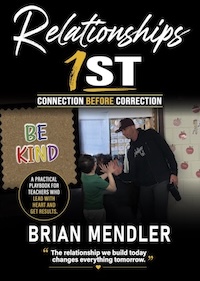
This book argues that behavior is not the problem-it’s a solution students use to meet underlying needs. Instead of reacting to behavior, educators should identify and address what sits beneath it: the need for connection, control, competence, belonging, or regulation. At its core is the idea of “Relationships First.” Strong relationships don’t replace standards-they make them effective. Students are more likely to change when they feel understood, respected, and connected, not controlled or defeated. The book emphasizes: Avoiding power struggles to preserve influence Separating behavior from identity so students aren’t defined by mistakes Viewing behavior as communication, not defiance Balancing clear expectations (structure) with human connection It introduces practical frameworks: The five core needs behind behavior The importance of values before rules to reduce conflict Using curiosity before correction Recognizing that fair is not always equal The author stresses that meaningful change often comes from small, consistent actions: Greeting students Listening more than fixing Spending chosen time (not just required time) Building trust through everyday interactions Motivation improves when learning is relevant and delivered through relationships, not just content. Students engage when they feel their life improves today, not someday. The book also redefines discipline: Consequences should teach, not punish Focus on repair, reflection, and growth Maintain dignity, even during correction or removal Ultimately, the message is simple but powerful: When educators shift from controlling behavior to understanding people, classrooms become more connected, students feel they belong, and real change becomes possible. Relationships aren’t extra-they are the work.
Additional information
| Weight | 12 oz |
|---|